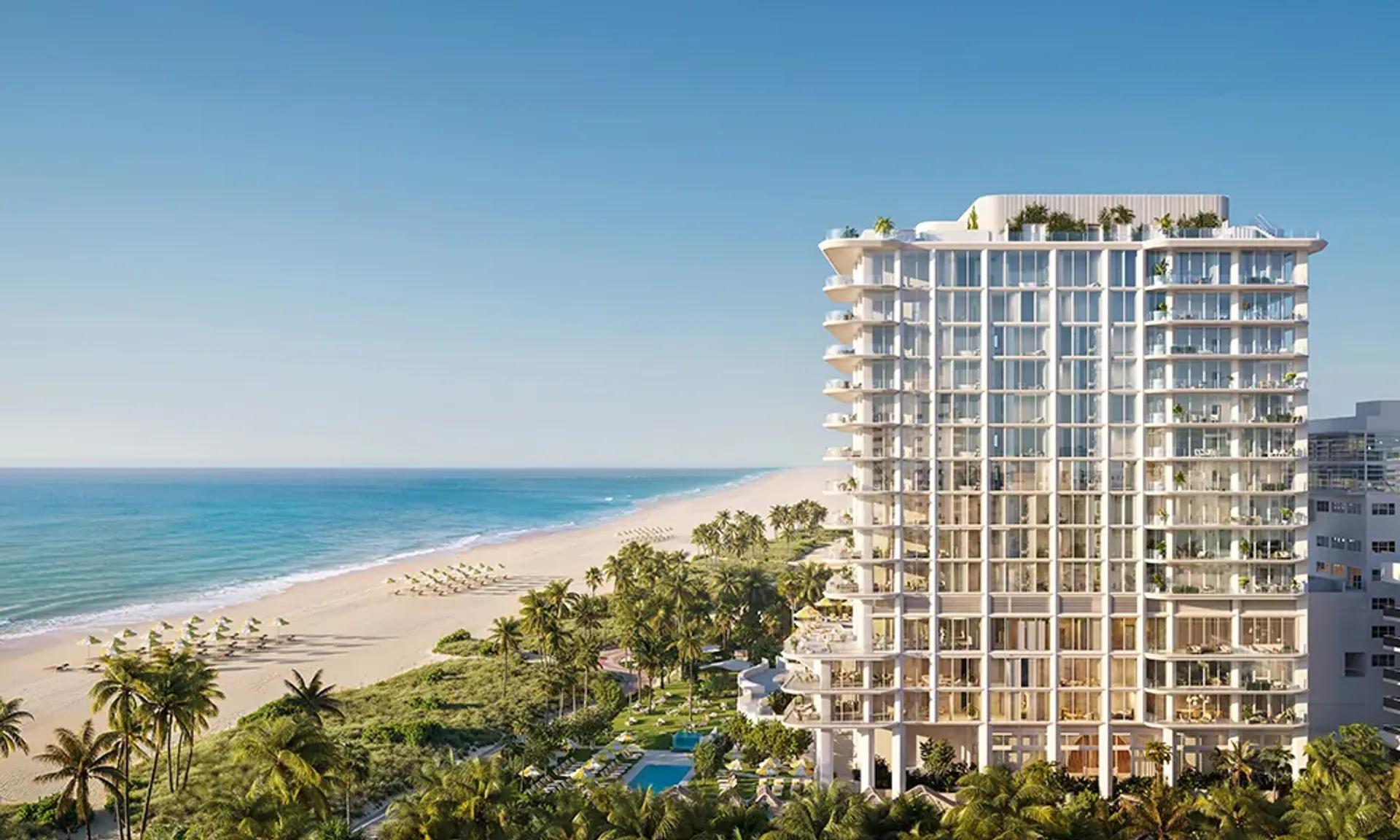
f you look back at the last three decades of luxury real estate, there’s a moment—subtle at first—when the industry began to pivot in an entirely new direction. It didn’t start with a groundbreaking tower or a celebrity-backed project. It began almost quietly, tucked inside the early experiments of a few visionary hotel brands who sensed that some travelers didn’t want to leave the experience behind when their stay ended.
From those modest beginnings, an entire global movement was born. Today, branded residences are not simply “homes connected to hotels.” They’re symbols of modern luxury—places shaped by architecture, hospitality, wellness, and global culture in ways few people could have predicted 30 years ago.
Resivate has watched this evolution unfold from a uniquely close vantage point. What once felt like a boutique idea has now grown into one of the most influential segments in high-end real estate. And the story of how it happened is far more human—and far more fascinating—than most people realize.
Where It All Began
In the late 1980s and early 1990s, a handful of hotel brands quietly began experimenting with a new idea: What if a guest could return to a home that offered all the comfort and clarity of their best hotel experiences?
Four Seasons, Ritz-Carlton, and Mandarin Oriental were among the first to try it. The concept was simple:
a privately owned home, infused with hotel service, run with the consistency of a five-star operation.
It was radical only because no one had considered it before.
These first residences weren’t built for mass appeal. They catered to diplomats, executives, entertainers, and global citizens who lived between cities and wanted a sense of grounding wherever they landed.
Looking back, it’s remarkable how quietly the category was born. No splashy marketing. No lifestyle campaigns. Just a small group of visionaries testing an idea that turned out to be much bigger than they imagined.
When the World Discovered the Idea
The early 2000s marked a turning point. Once developers realized that homes attached to five-star brands sold faster, commanded higher prices, and attracted buyers who valued long-term consistency, the model began moving into resort destinations.
Suddenly, buyers weren’t just looking for a beautiful vacation home. They wanted a place that worked—reliably, effortlessly—even when they weren’t there. They wanted rental performance without stress, service without explanation, and a sense of belonging without compromise.
The result was an explosion of branded residences in places like Miami, Dubai, Maui, Phuket, Los Cabos, and
the Caribbean. What had started in city centers was now defining the second-home lifestyle.
It was the first hint that branded living wasn’t just an amenity—it was becoming a category.
Brands Find Their Voices
By the 2010s, something fascinating happened: brands began shaping distinct identities within the space.
Aman refined the art of silence and sanctuaries.
Four Seasons became the blueprint for timeless, service-first living
St. Regis leaned into old-world glamour paired with butler precision.
Six Senses and 1 Hotels pushed the market toward sustainability, biophilic architecture, and wellness-centric homes.
Mandarin Oriental elevated global sophistication with design rooted in cultural nuance.
Buyers weren’t just choosing a residence—they were choosing a philosophy. A worldview. A rhythm of life that matched their own.
This was the decade when branded residences moved from luxury real estate into luxury culture.
They became destinations in themselves.
A Global Disruption
The years between 2020 and 2023 reshaped demand in ways nobody anticipated. Travel stopped. Priorities shifted. People reexamined what “home” meant.
Luxury buyers sought:
space, privacy, reliability, safety, wellness, and the ability to move between locations without losing continuity.
Branded residences checked every box—not accidentally, but because they had been building toward that promise for thirty years.
Developers responded with private villas, full-floor penthouses, hybrid hotel-residential towers, medical-grade wellness features, extended-stay formats, and live-work layouts designed for global fluidity. The category matured seemingly overnight.
But in truth, it was simply ready for its moment.
The Golden Age Arrives
We are now living in the most prolific era the sector has ever seen.
More than 700 branded residential projects exist worldwide.
Over 600 more are in active planning.
The reasons for this surge are remarkably aligned:
Buyers want consistency, identity, service, and investment confidence.
Developers want faster sales, global credibility, and differentiated product.
Hotel brands want long-term loyalty and new revenue channels.
It is—perhaps for the first time in luxury real estate—a rare moment where every stakeholder wants exactly the same thing.
And that alignment is driving growth at unprecedented speed.
What Defines Today’s Branded Residence
The modern branded residence is no longer just a luxury home with a logo. It has become its own architectural genre, marked by:
bold, sculptural design;
elite global architecture teams;
five-star service woven into daily life;
wellness amenities that rival medical spas;
sustainability built into the foundation;
turnkey rental programs;
privacy engineered into the physical form;
and investment performance that continues to outpace expectations.
This is luxury redefined—not louder, but smarter.
Not bigger, but more intentional.
Resivate’s Role in the Next Chapter
As the world’s first platform dedicated exclusively to luxury hotel residences, Resivate stands at the center of this global movement.
We are curators.
Connectors.
Researchers.
Storytellers.
Our work goes beyond simply showcasing properties. We help buyers understand markets. We spotlight new architectural icons before they make headlines. We connect investors with opportunities they would never discover through traditional channels.
What began as an experiment in the 1990s is now a worldwide lifestyle.
And Resivate is proud to guide the world into its next evolution.
FAQ Question
1. What are branded hotel residences?
Branded hotel residences are privately owned homes operated by luxury hotel brands, offering five-star service, architectural excellence, wellness-driven amenities, and a curated lifestyle rooted in global hospitality standards.
2. When did branded residences first emerge?
The concept began in the late 1980s and early 1990s when hotel brands like Four Seasons, Ritz-Carlton, and Mandarin Oriental created service-infused private homes for elite travelers who wanted a permanent extension of their hotel experience.
3. Why did branded residences become popular?
They gained momentum because they provide consistent global service, strong investment performance, turnkey living, elevated privacy, and a lifestyle that aligns with the expectations of modern luxury buyers.
4. How did the pandemic impact branded residence demand?
Between 2020 and 2023, demand surged as affluent buyers sought space, privacy, wellness, flexible layouts, and trusted service—needs that branded residences were uniquely positioned to provide.
5. What defines the modern branded residence?
Today’s branded residences feature iconic architecture, hotel-level services, advanced wellness infrastructure, sustainability integration, secure privacy, and fully managed rental programs.
6. Why do branded residences offer strong investment potential?
They typically sell faster, command price premiums, maintain higher rental rates, appeal to global buyers, and retain long-term value due to the trust and consistency of the associated hotel brand.
7. How does Resivate support buyers and investors?
Resivate curates the world’s finest branded hotel residences, highlights new pre-construction opportunities, provides market insights, and delivers a seamless global discovery and booking platform.